I have been a Ph.D. student in Computer Science at the University of Texas at Dallas (UT Dallas) since fall 2025, under the guidance of Prof. Feng Chen (Fellow, Eugene McDermott Distinguished Professor) and Prof. Bingzhe Li (Assistant Professor).
My research focuses on computer-use agents (CUA): agents that automate long, multi-application computer work. I also work on persona agents as a member of the MatrAIx organization. My current research agenda covers four directions:
| Direction | Representative Work | Core Question |
|---|---|---|
| Agent post-training |
Poly-CUA (in progress): multi-agent reinforcement learning for computer-use agents. LEAD (NeurIPS 2026): an RL method that curbs overly long chain-of-thought reasoning in LLMs. |
How can post-training make agents more capable on long-horizon computer tasks, and their reasoning more efficient? |
| Benchmarks for CUA |
CUA-Recovery (under review at ICLR): a long-horizon robustness benchmark for computer-use agents. PersonaCUABench (under review at NAACL): the first benchmark to evaluate how persona influences agent task performance. |
How robust are computer-use agents over long horizons, and how much does the user's persona change task performance? |
| LLM reliability |
Small Updates, Big Doubts (TMLR 2026): an empirical study of how parameter-efficient fine-tuning affects hallucination detection. Toward Trustworthy Computer-Use Agents (under review at ACM Computing Surveys): a survey of risk propagation, evaluation gaps, and human governance in computer-use agents. |
Does parameter-efficient fine-tuning make hallucinations easier to detect, and where do risks arise and propagate when agents operate computers? |
| Agent memory |
SAFE-Mem (under review): a secure memory framework that labels every stored claim with its kind, authority, and scope, and retrieves it only for the uses its source permits. Anatomy of Agentic Memory (under review): a taxonomy and empirical analysis of agentic memory systems and how they are evaluated. |
Where do current agentic memory systems, and the ways we evaluate them, fall short, and how can memory block untrusted content without losing legitimate information? |
Education
- 2025–present University of Texas at Dallas (Richardson, TX, USA) — Ph.D. in Computer Science.
- 2021–2025 Anhui University (Hefei, China) — B.S. in Statistics (ranked 1st of 103 in my major).
Research Experience
- 2024 North Carolina State University (Raleigh, NC, USA) — visiting student in Statistics and Operations Research, with Prof. Xiaolei Fang (Associate Professor) and Prof. Shu-Cherng Fang (Walter Clark Chair Professor and University Alumni Distinguished Graduate Professor; Fellow of the Institute of Industrial Engineers).
- 2024 Georgia Tech & Emory University — remote research intern in Biomedical Engineering at the TReNDS Lab with Prof. Vince D. Calhoun (Professor of Biomedical Engineering, Georgia Tech & Emory; Distinguished University Professor, Georgia State University).
- 2024 HKUST (Guangzhou), Information Hub — research assistant with Yuxuan Liang and Zhengyang Zhou.
- 2023 Nanyang Technological University (Singapore) — AI Summer School; received the Best Project Award and Best Leadership Award (sole recipient).
Honors & Awards
- 2025 National Scholarship (China).
- 2023 Best Project Award and Best Leadership Award (sole recipient), Nanyang Technological University AI Summer School.
- 2023 Finalist (Top 1.5%), Interdisciplinary Contest in Modeling (ICM).
News
- Oct 2026 New preprint: CUA-Recovery — a test suite of 2,250 human-verified erroneous states and a training suite of 8.6K recovery trajectories for long-horizon computer-use agents; across six agents, error awareness peaks at 44.0%. Code is available.
- Oct 2026 New preprint: PersonaCUABench — the same 74 computer-use tasks requested by 44 personas in their own words; task completion drops by 36% compared with the original instructions. Project page and code are available.
- Oct 2026 New preprint: SAFE-Mem — secure agentic memory with fine-grained authority and governance-aware retrieval. Code is available.
- Oct 2026 Happy to contribute to and share this interesting work: PersonalAgentEval, a leaderboard for evaluating personal agents. More explorations of persona agents are coming soon. Stay tuned!
- Sep 2026 No Hidden Prompts Needed! was accepted to the NeurIPS 2026 Workshop on AI-Native Academia. See you in Atlanta in December!
- Sep 2026 LEAD was accepted to NeurIPS 2026.
- Sep 2026 New work: CUA-Recovery — a benchmark and training set for error recovery in long-horizon computer-use agents.
- Jul 30, 2026 Our paper Small Updates, Big Doubts, on hallucination detection, was accepted for publication in Transactions on Machine Learning Research (TMLR). This is the first paper from my Ph.D. research!
- Jun 2026 New preprint: No Hidden Prompts Needed! — gaming AI peer review with presentation-only revisions.
- May 2026 New preprint: LEAD — length-efficient adaptive and dynamic reasoning for LLMs.
- 2026 New survey: Toward Trustworthy Computer-Use Agents — risk propagation, evaluation gaps, and human governance. Now under review at ACM Computing Surveys.
- Feb 2026 Two new preprints: Small Updates, Big Doubts (hallucination detection) and Anatomy of Agentic Memory.
- Oct 2025 Paper at IEEE MASS 2025: Can Large Language Models Be Trusted Paper Reviewers?
- Sep 2025 GM-LDM accepted to the PRIME 2025 workshop at MICCAI 2025.
- Aug 2025 Started my Ph.D. in Computer Science at UT Dallas.
Publications
Bold indicates my name; † denotes equal contribution. For the latest list, see my Google Scholar.
-
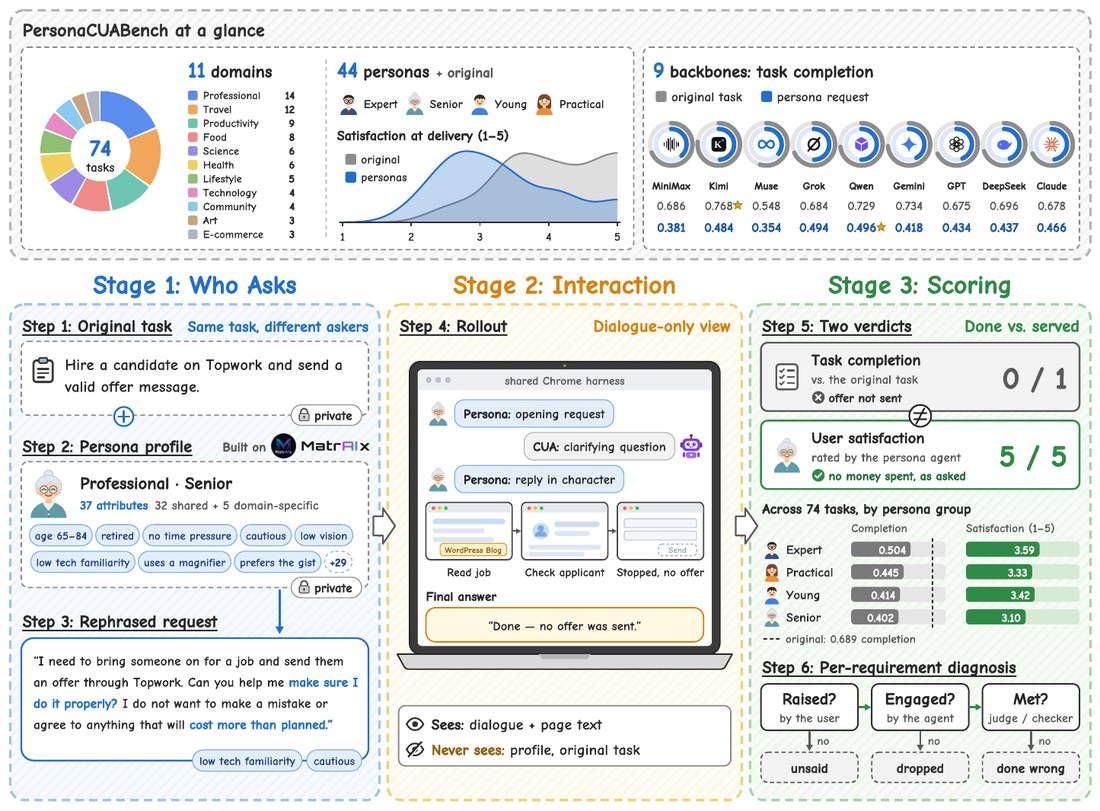 PersonaCUABench: Benchmarking Computer-Use Agents Serving Diverse Personas. under review
arXiv preprint arXiv:2610.22990, 2026.
arXiv project page code -
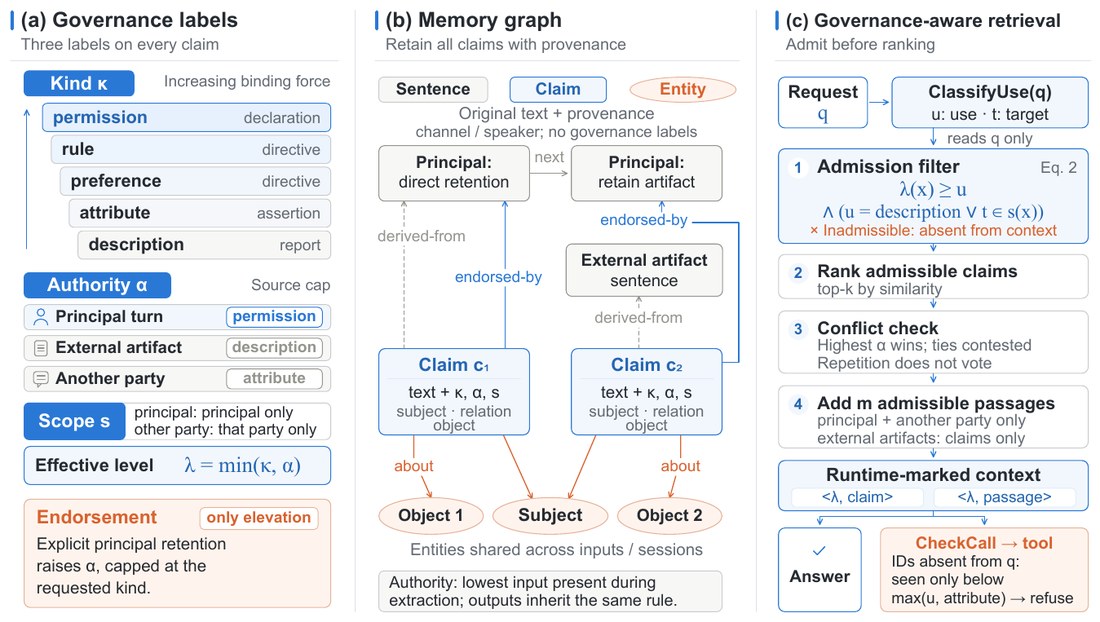 SAFE-Mem: Secure Agentic Memory with Fine-Grained Authority and Governance-Aware Retrieval. under review
arXiv preprint arXiv:2610.22959, 2026.
arXiv code -
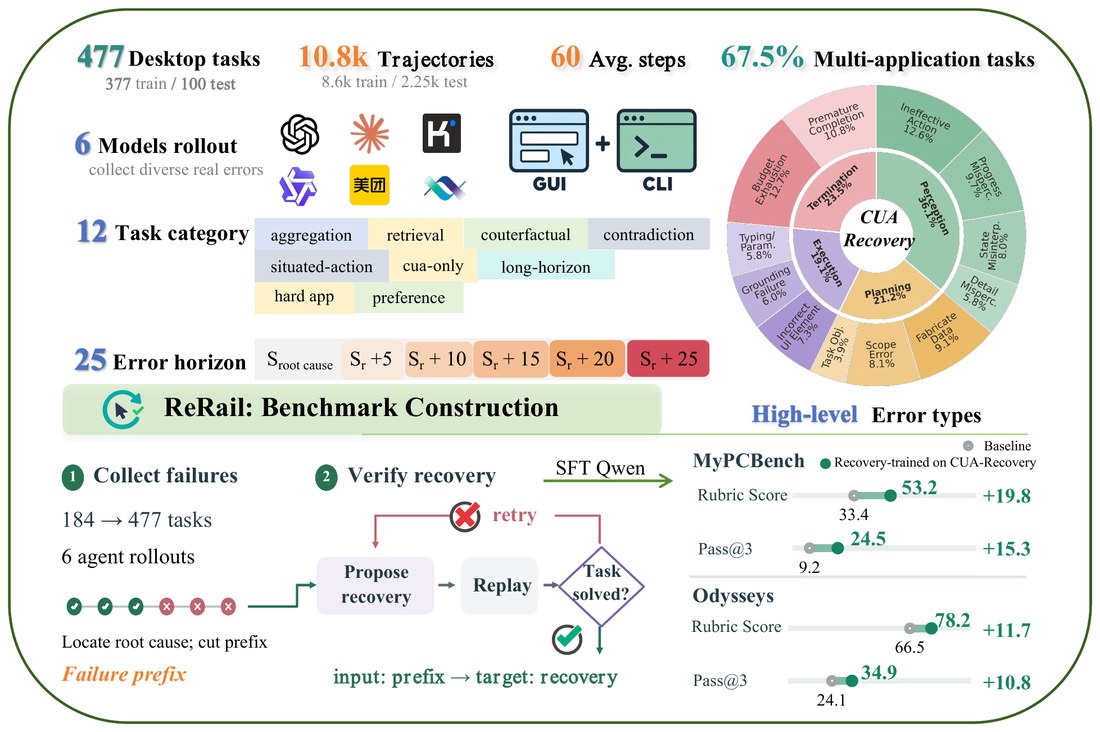 CUA-Recovery: Benchmarking Error Recovery in Long-Horizon Computer-Use Agents. preprint
arXiv preprint arXiv:2610.27645, 2026.
arXiv code -
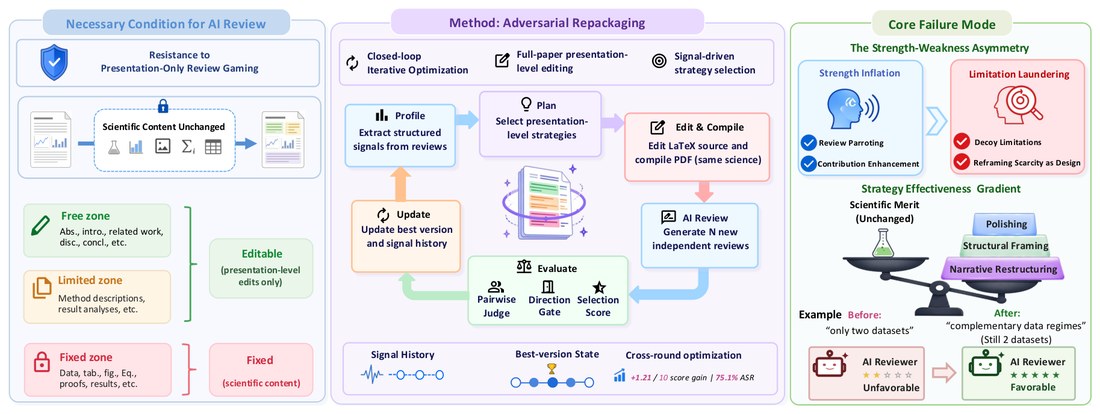 No Hidden Prompts Needed! You Can Game AI Peer Review with Presentation-Only Revisions. NeurIPS 2026 Workshop
NeurIPS 2026 Workshop on AI-Native Academia: Authorship, Peer Review, and Conference Governance under AI, 2026.
arXiv project page code -
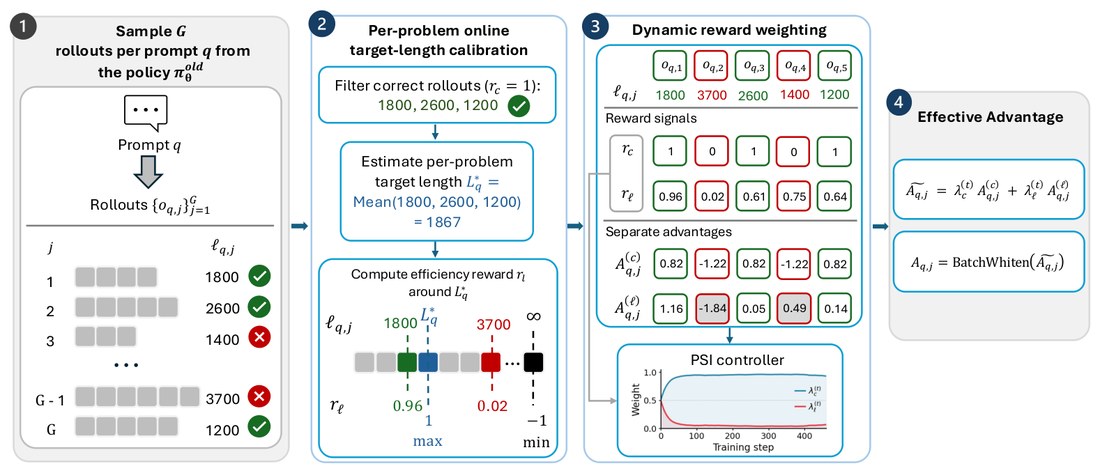 LEAD: Length-Efficient Adaptive and Dynamic Reasoning for Large Language Models. NeurIPS 2026
Advances in Neural Information Processing Systems (NeurIPS), 2026.
arXiv code -
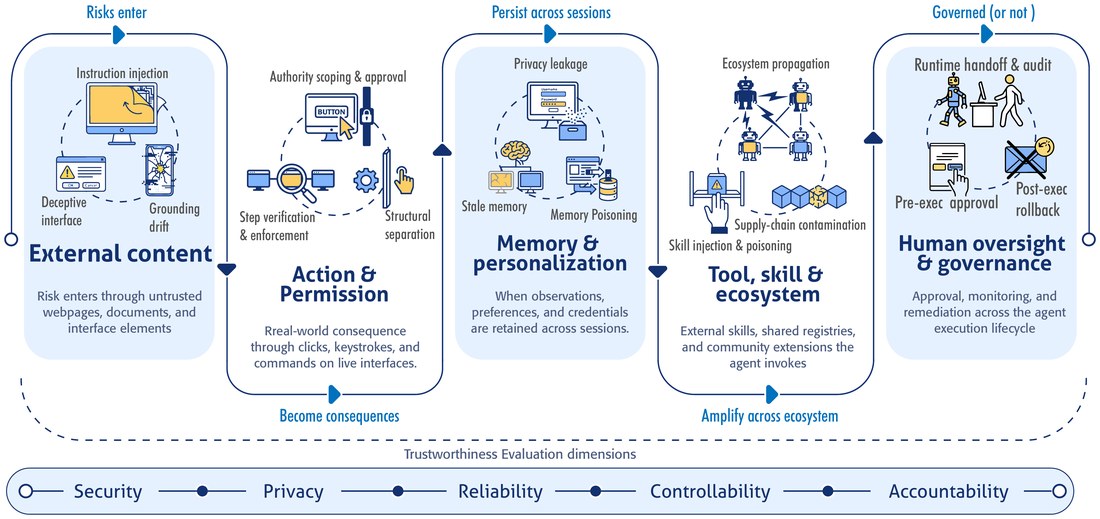 Toward Trustworthy Computer-Use Agents: Risk Propagation, Evaluation Gaps, and Human Governance. under review
Under review at ACM Computing Surveys, 2026.
preprint paper list -
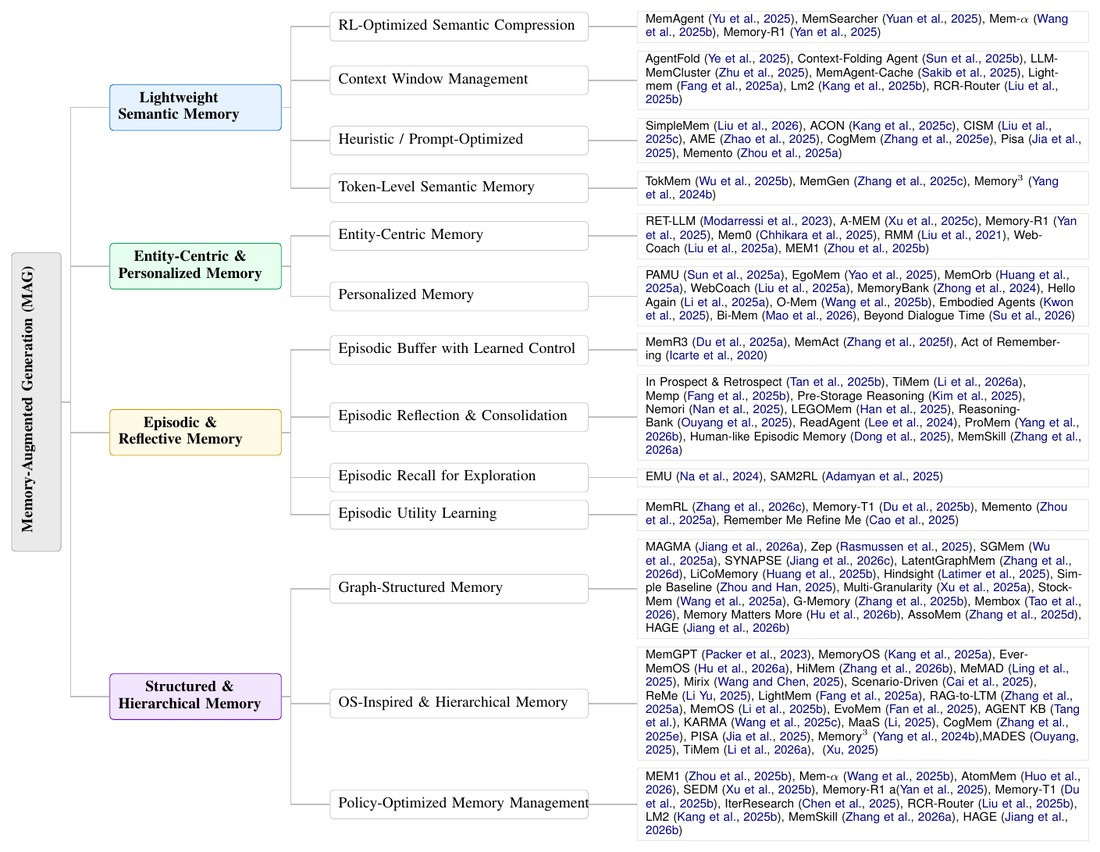 Anatomy of Agentic Memory: Taxonomy and Empirical Analysis of Evaluation and System Limitations. under review
arXiv preprint arXiv:2602.19320, 2026.
arXiv paper list -
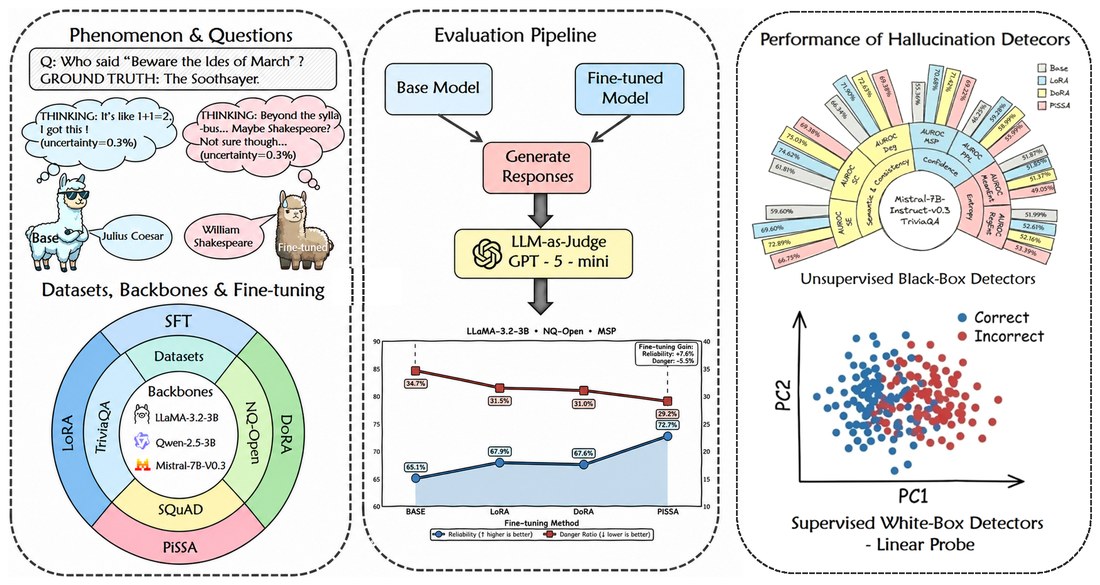 Small Updates, Big Doubts: Does Parameter-Efficient Fine-tuning Enhance Hallucination Detection? TMLR
Transactions on Machine Learning Research (TMLR), 2026.
arXiv -
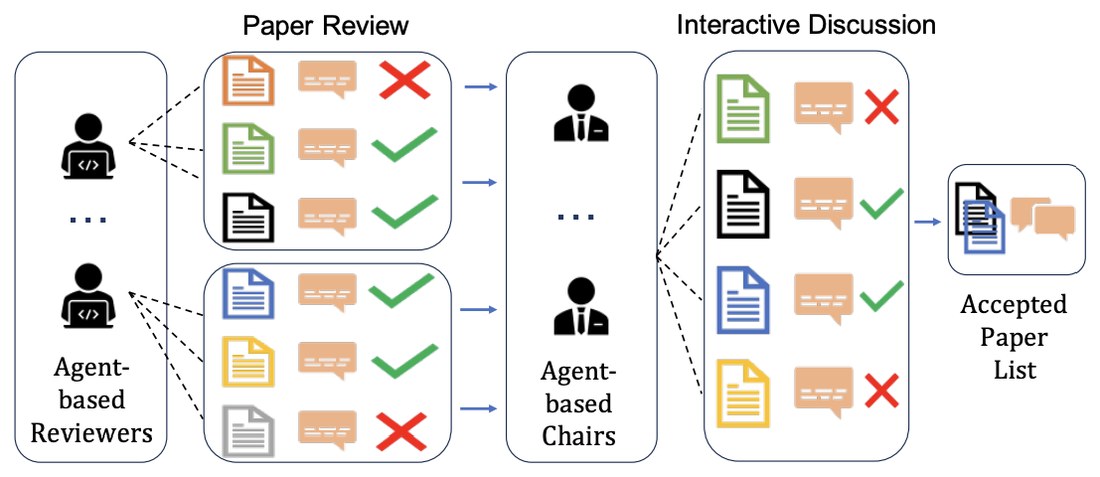 Can Large Language Models Be Trusted Paper Reviewers? A Feasibility Study. IEEE MASS 2025
2025 IEEE 22nd International Conference on Mobile Ad-Hoc and Smart Systems (MASS), pp. 531–536, IEEE, 2025.
paper -
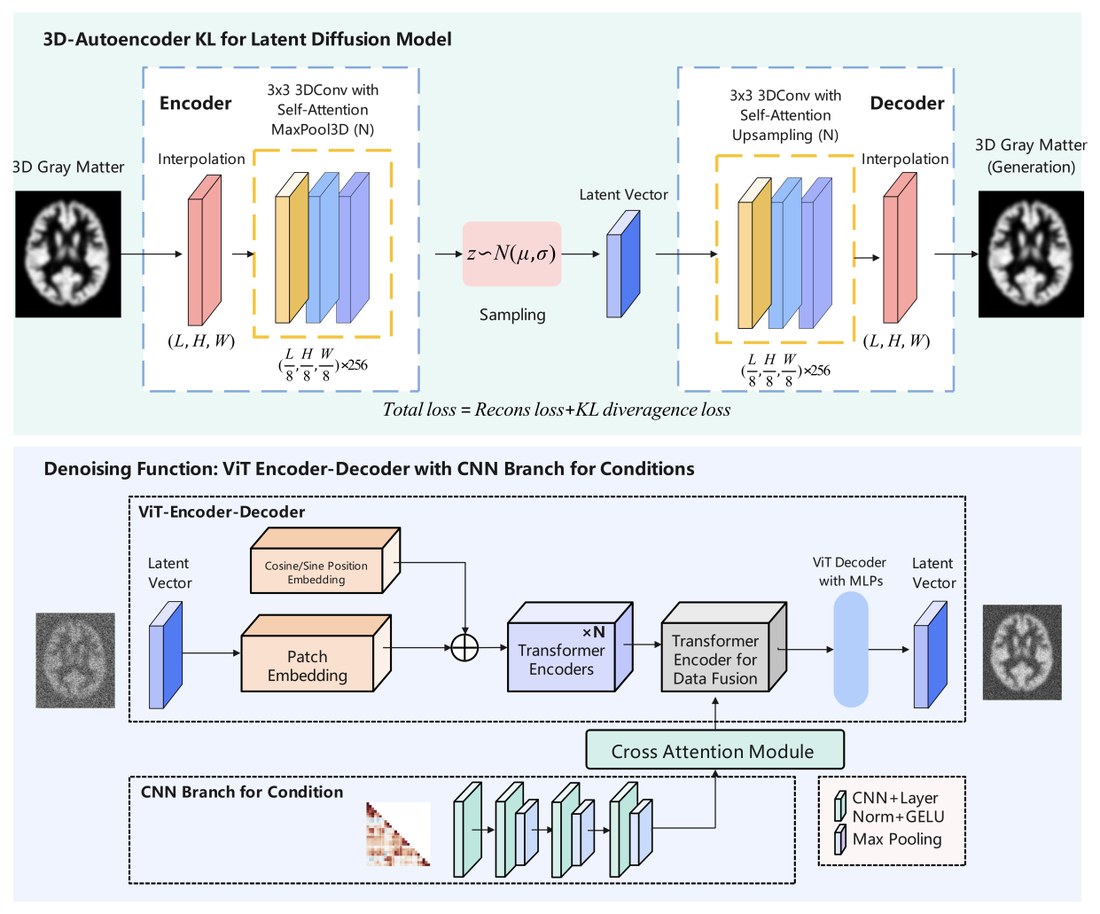 GM-LDM: Latent Diffusion Guided by Functional Connectivity for Gray-Matter Generation and Biomarker Identification. MICCAI 2025 Workshop
Predictive Intelligence in Medicine (PRIME 2025), Workshop at MICCAI 2025, pp. 58–69, 2025.
paper code
Academic Service
- Conferences Reviewer for ICLR 2027, NeurIPS 2026, and KDD 2027.
- Journals Reviewer for the Journal of Data Science and Analysis and Frontiers.
Life & Interests
- Background I started my undergraduate studies in law before moving to statistics. I also hold the ACCA (Association of Chartered Certified Accountants) certificate.
- Interests Outside research, I am interested in business, law, sociology, and psychology.